Understanding Basic Painting Techniques: A Beginner's Guide
If you're a homeowner in Maple Lake, Minnesota, looking to refresh your living space, understanding basic painting techniques is crucial. Whether you're planning a DIY project or hiring professionals like Best Finish Painting, grasping these concepts can help you make informed decisions and achieve the perfect look for your home.
Why Knowing Painting Techniques Matters
While it may seem like a job best left to the experts, understanding some basic painting techniques can empower you to tackle small projects or communicate more effectively with painting professionals. It also helps in choosing the right kind of paint and tools, ensuring a smooth and durable finish.
Common Painting Techniques Explained
Brush Painting
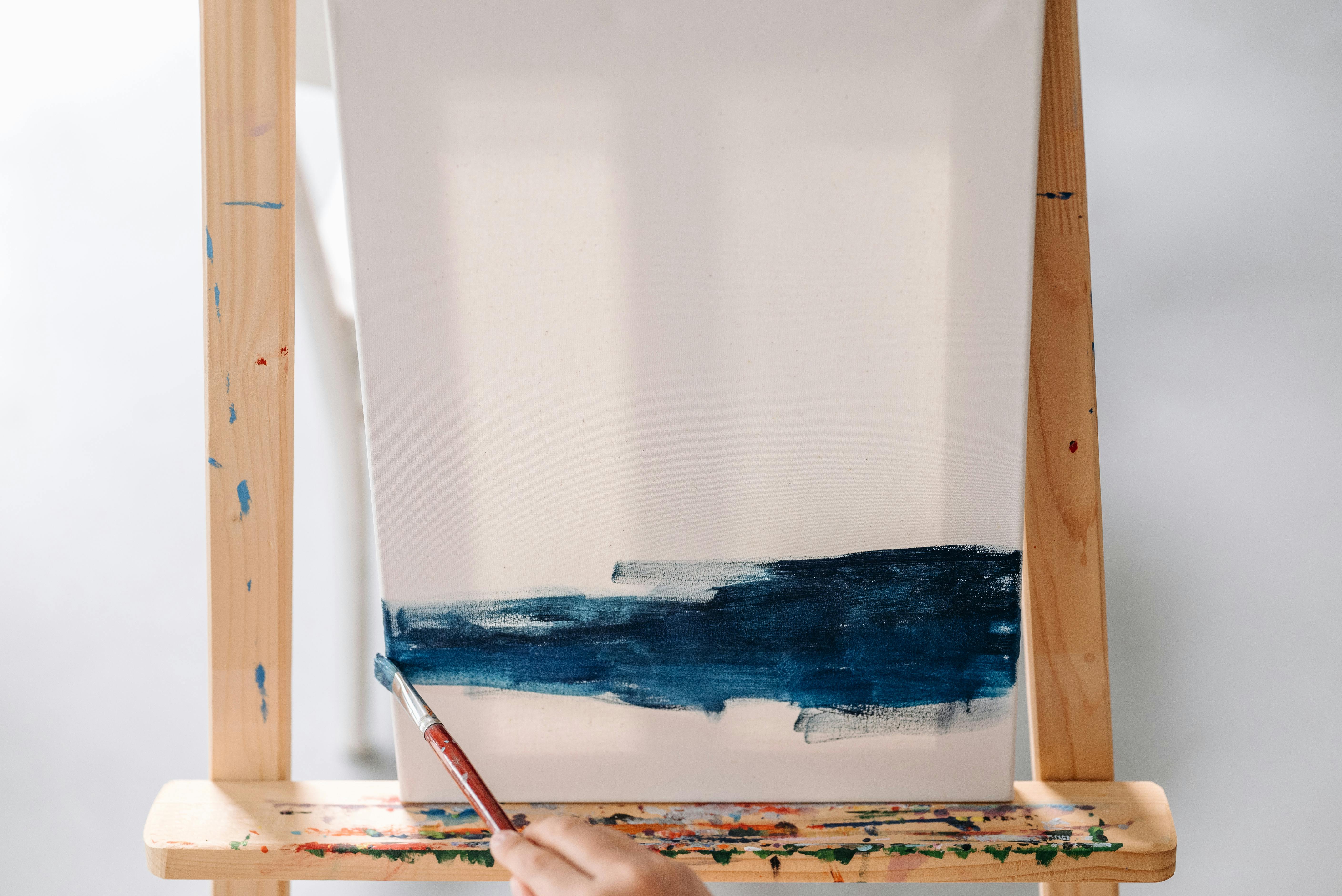
Brush painting is one of the most common methods used for detailed work. Brushes come in various shapes and sizes, each serving a specific purpose. For instance, flat brushes are ideal for large, flat surfaces, while angled brushes are great for cutting in edges.
Roller Painting
Roller painting is perfect for covering large areas quickly. Rollers can have different nap lengths, which refer to the thickness of the roller cover. A short nap is best for smooth surfaces, whereas a longer nap is suitable for textured walls.
Spray Painting
Spray painting is a more advanced technique that provides a smooth, even finish, especially on larger surfaces. It requires special equipment and proper masking to avoid overspray. While this technique can save time, it might be best handled by professionals unless you're experienced.
Choosing the Right Paint
Paint selection is as crucial as choosing the right technique. Here's what you need to know:
Types of Paint
- Latex Paint: Water-based and easy to clean, latex paint is ideal for interior walls and ceilings.
- Oil-based Paint: Known for its durability, it's often used for trim and cabinets.
- Primer: Essential for preparing surfaces, especially if you're painting over darker colors or raw wood.
Paint Finishes
The finish affects both the appearance and durability of the paint job:
- Matte: Non-reflective and great for hiding imperfections.
- Satin: Offers a slight sheen and is easier to clean, making it ideal for high-traffic areas.
- Gloss: Highly reflective and durable, perfect for trim and doors.
Preparing Your Space
Proper preparation is key to a successful painting project. Follow these steps to ready your space:
Clean and Repair
Start by cleaning the walls to remove dirt and grease. Repair any cracks or holes with spackling paste and sand them smooth once dry.
Masking and Protection
Use painter's tape to protect trim, sockets, and other areas you don't want to paint. Cover furniture and floors with drop cloths to prevent accidental spills.
When to Call the Professionals
While DIY painting can be rewarding, some projects require a professional touch. If you're dealing with high ceilings, intricate details, or simply want a flawless finish, hiring a professional service like Best Finish Painting in Maple Lake can save time and ensure high-quality results.
Professionals bring expertise, the right tools, and experience to handle any challenges that may arise during the painting process. Plus, they can provide valuable advice on color selection and the latest trends.
Conclusion
Understanding the basics of painting can help you make informed decisions whether you're embarking on a DIY project or hiring professionals. With the right knowledge, you can achieve a beautiful and lasting finish that enhances your home's appeal. If you're in Maple Lake and need expert guidance or services, don't hesitate to contact Best Finish Painting for your next project.
Remember, a well-executed paint job can transform your space, increase its value, and provide a fresh, new look that you and your family will enjoy for years to come.